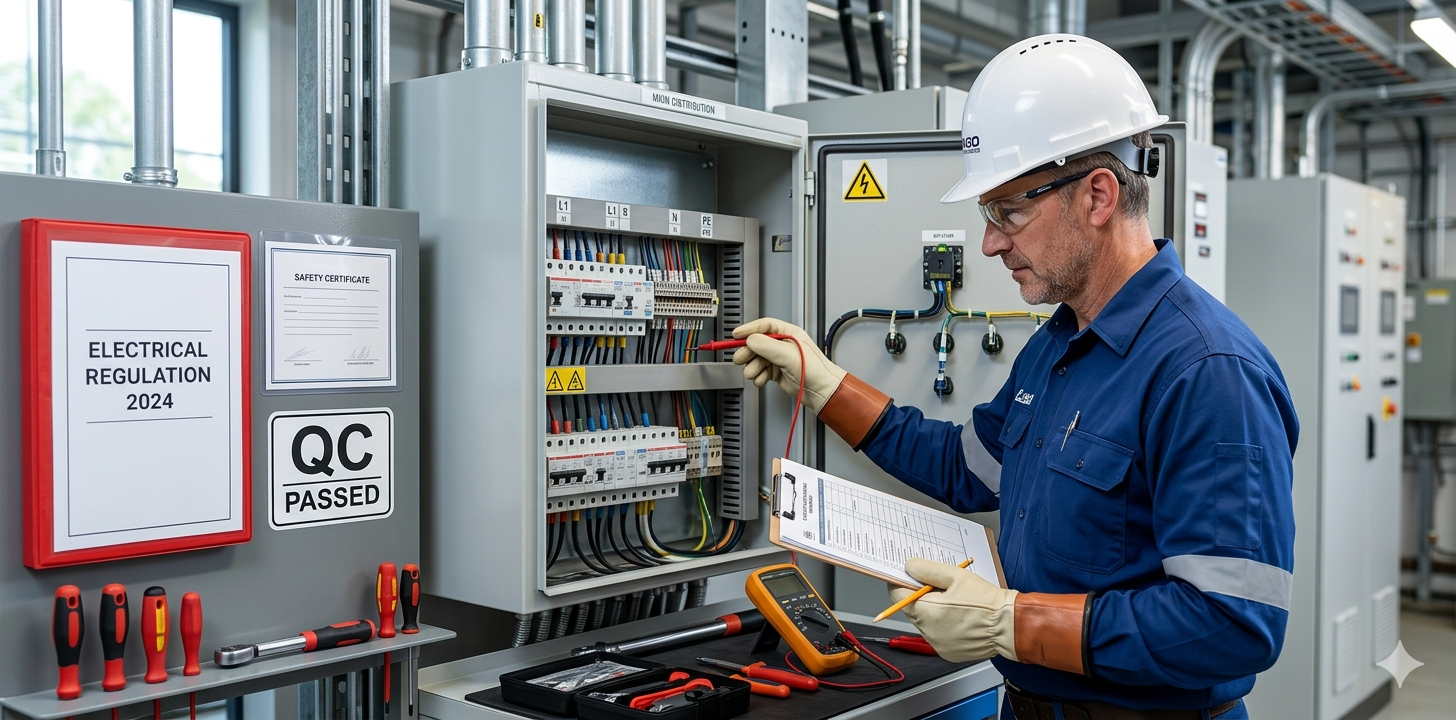
Electrical systems need regular upkeep so commercial properties stay secure. Whether it’s a shop, an office, or a factory space – staying within code protects people and assets alike. When rules are ignored, risks grow: fires might spark, lawsuits could follow, coverage may vanish, work often halts. Safety lapses rarely come alone – they bring fines, downtime, harm.
Understanding electrical compliance requirements for commercial buildings has become increasingly important as Australian safety regulations continue evolving. Business owners and property managers are now expected to maintain strict compliance standards while ensuring electrical systems remain safe, efficient, and properly documented.
Universal Connect continues helping businesses navigate complex compliance obligations through professional inspections, testing, upgrades, and long-term electrical safety support.
Electrical compliance is not simply a recommendation for businesses. It is a legal responsibility designed to reduce risks such as:
Commercial electrical systems typically handle larger power demands and more complex infrastructure than residential properties. Because of this, businesses must meet stricter electrical safety regulations and maintenance requirements.
Fines might follow if rules are ignored, along with legal trouble. Liability could land on shoulders without warning. Insurance coverage may vanish when needed most. Shutdowns, even short ones, become real possibilities then.
Universal Connect supports businesses by identifying risks early and helping maintain safer commercial environments.
Meeting Australia’s rules for power setups in business properties means every wiring job, system, or device follows set safety codes. Each piece has to line up with legal requirements – no exceptions, just clear alignment.
This may include:
When renovating, rules still matter. Upgrading machinery? The standards stay in place. A new tenant moves in – compliance doesn’t pause. Expanding the structure brings fresh space, but old requirements remain. Each change carries its own weight under regulations.
Businesses should never assume older systems remain compliant simply because they still function.
Buildings today need electrical systems that stop problems before they start. Staying safe means checking things regularly, not just once. Prevention matters most, yet upkeep plays a quiet role behind the scenes. Systems fail less when attention never fades away.
Important compliance areas include:
Older switchboards may not support modern commercial energy demands safely.
Emergency exits and lighting systems must remain operational during power failures.
Safety switches help reduce electric shock risks.
Damaged or outdated wiring creates major fire and safety hazards.
Portable electrical equipment often requires scheduled inspection and testing.
Universal Connect helps businesses assess these systems thoroughly while maintaining clear compliance reporting.
Commercial electrical compliance in Australia is governed by national and state-level regulations, including workplace safety obligations and electrical standards.
Compliance expectations may vary depending on:
Industries such as hospitality, healthcare, manufacturing, and retail often face additional electrical safety responsibilities due to higher operational demands.
Professional electricians help businesses stay updated as standards evolve over time.
Routine safety audits play a major role in identifying electrical risks before they become dangerous or expensive.
Electrical audits commonly assess:
Many commercial property owners delay inspections until problems arise. However, proactive audits often prevent major failures and unexpected repair costs.
Universal Connect provides structured safety assessments designed around commercial operational requirements and compliance expectations.
Older buildings often struggle to support modern technology and energy usage.
Businesses sometimes fail to maintain proper testing and inspection records.
Adding equipment without upgrading infrastructure creates significant risks.
Neglected electrical systems commonly develop hidden faults over time.
Unlicensed electrical modifications may violate compliance standards and insurance requirements.
These issues frequently appear during inspections and can delay approvals or create operational interruptions.
Commercial renovations usually require updated electrical assessments and approvals.
Examples include:
Electrical systems must support these upgrades safely while meeting current compliance standards.
Universal Connect helps businesses plan electrical upgrades that align with both operational needs and regulatory obligations.
Routine inspections help identify issues before they become major safety concerns.
Finding proof matters when facing reviews or payment requests. During such times, written records often decide outcomes.
Faulty connections often stem from outdated electrical setups. Equipment once considered reliable might now fall short of safety benchmarks.
Employees should understand basic workplace electrical safety procedures.
Commercial electrical work should always be completed by qualified professionals.
By following these methods, companies can lower potential hazards as they build more stable operations over time.
A product might work well, yet still fail to meet regulations or ensure user protection.
Existing buildings also require ongoing maintenance and inspections.
Even smaller commercial properties must follow workplace electrical safety obligations.
Preventative audits are far more effective and cost-efficient than emergency repairs.
Ignoring electrical compliance requirements for commercial buildings often creates larger financial problems later.
Potential costs include:
Preventative maintenance and compliance support are generally far more affordable than dealing with major electrical failures.
Universal Connect works closely with businesses to minimise these risks through proactive electrical management.
Commercial electrical systems are far too important to leave unmanaged. Compliance is not just about passing inspections—it directly affects workplace safety, operational continuity, and long-term business protection.
Professional electrical providers understand how to identify hidden risks, maintain documentation, and ensure systems align with evolving Australian standards. Businesses that prioritise compliance usually experience fewer disruptions, lower long-term repair costs, and improved operational reliability.
Universal Connect continues helping commercial clients maintain safer, more efficient electrical systems through inspections, upgrades, testing, and ongoing compliance support tailored to modern business environments.
Staying compliant with modern electrical standards protects your staff, customers, property, and daily operations. Universal Connect provides professional support for businesses seeking reliable electrical inspections, maintenance, upgrades, and long-term compliance solutions designed around commercial safety requirements.
Compliance helps reduce fire risks, workplace injuries, equipment damage, and potential legal or insurance complications.
Inspection frequency depends on building usage, equipment demands, and industry-specific workplace safety regulations and operational risks.
Businesses may face repair notices, operational restrictions, fines, insurance issues, or increased workplace safety liabilities.
Not always, but older electrical systems often require upgrades to meet current Australian safety and compliance standards.
Commercial electrical work should always be completed by licensed professionals following Australian electrical safety regulations properly.