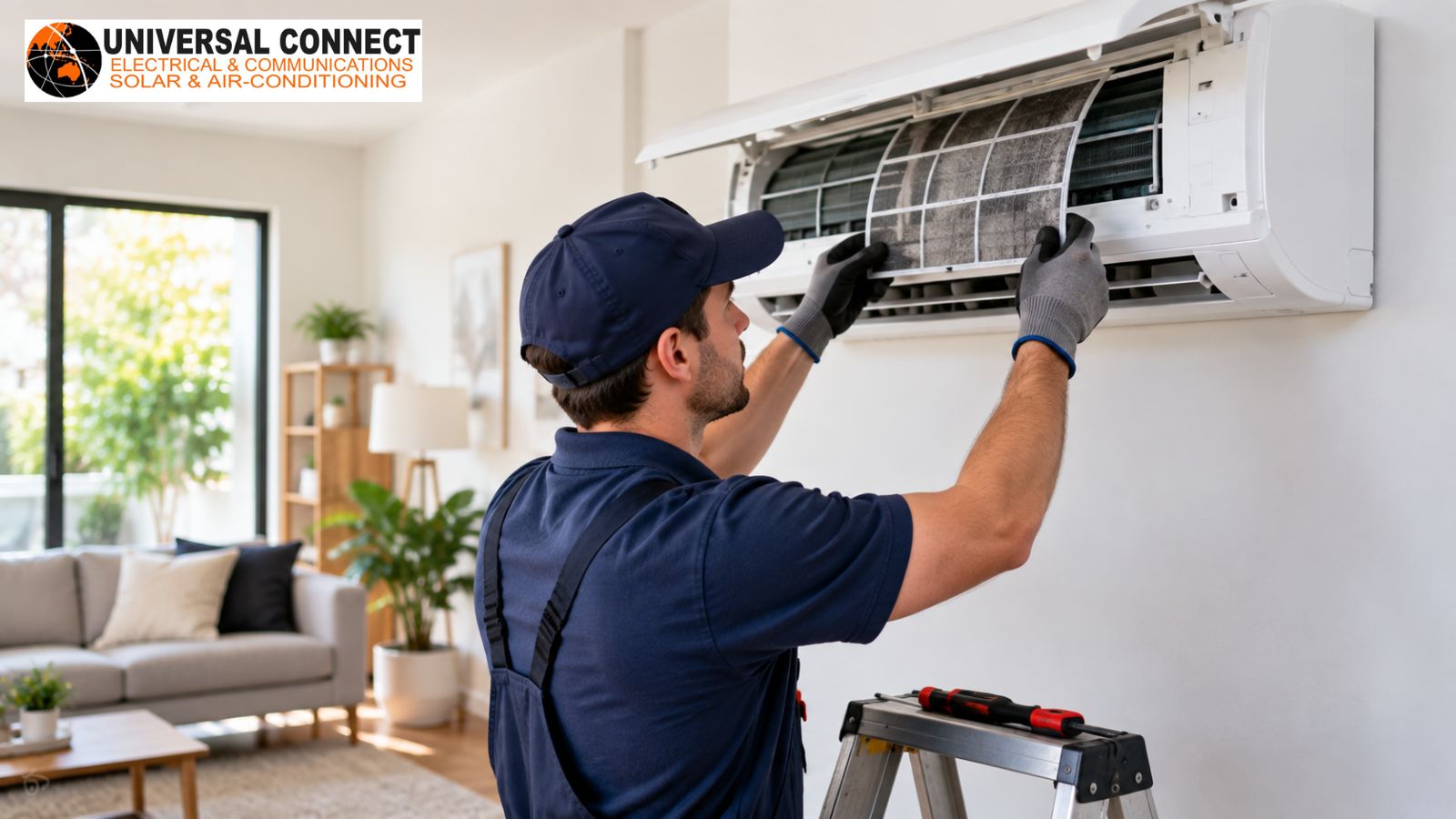
To maintain comfort at home and work, your air conditioning system is working really hard. Just like any mechanical system, regular maintenance is necessary for proper functioning.
Many homeowners think that air conditioning installation is a one-time task.
This approach could lead to high repair costs along with inefficient performance.
Thus, how often should you book air conditioning services? In most cases, servicing by a professional once a year is reasonable to begin with.
Systems operating under duress in tough environments would require servicing more often. Regular servicing of the air conditioning system can reveal small issues that can snowball into major problems. Hiring the best HVAC contractors can help with the best AC services.
There are commercial air conditioning services that you can book easily. An air conditioning system has many parts, including coils, filters, fans, electrical parts, and drains, among others. All these need to work in sync. Over time, dust and dirt can build up. Parts can also wear out.
There is no assurance that an air conditioning unit will not malfunction. Nevertheless, regular maintenance allows for better insight into the condition of the system.
In almost all cases for residential systems, it is advisable to perform maintenance once a year. But the correct frequency depends significantly on how the system is utilised.
You may need more frequent servicing if:
A technician will evaluate your system and determine when service is necessary.
You don’t have to suffer until your scheduled service arrives. Be alert to how your system works.
If the system seems to be struggling to push air out, you may have a filter or duct issue, a fan issue, or something else.
Grinding, rattling, buzzing, or unusual clicking sounds should not be ignored.
If the unit is working but does not cool the room, a technician may have to see it.
A strange smell may mean the presence of dirt, dampness, electrical problems, etc.
Any water around the indoor unit must be checked. This may be due to a blockage in the drainage system or other issues. Always consult an expert if you notice a sudden drop in performance.
Professional air conditioning services are more than simply cleaning the filter. The exact checks depend on the system, but a technician may inspect several important areas.
These can include:
The technician can also look for signs of wear or damage. The goal is to identify problems early and make sure the system is operating as it should.
Commercial systems often have different maintenance needs from residential units. A business may use its air conditioning system for 8–12 hours a day, or even longer. Some systems operate almost continuously during busy periods.
This level of use can increase wear. Having a regular commercial air conditioning maintenance programme in place enables a business to minimise the chances of unexpected breakdowns of the equipment, as well as create comfortable indoor conditions for the employees and customers.
Large premises are likely to have more demanding heating and cooling requirements.
Commercial equipment is designed to serve a variety of locations, such as stores, warehouses, offices, or restaurants, which makes the design of commercial HVAC systems very important.
Good design considers factors such as:
A system that is too small may struggle to maintain the required temperature. A system that is too large may cycle inefficiently. Professional planning helps match the system to the building.
Servicing can keep an existing system in good working condition, but it cannot make an old or unsuitable system new again.
An upgrade may be worth considering if your system:
HVAC system upgrades should be based on the condition of the existing equipment and the needs of the property. Do not replace a working system simply because it is old. Get professional advice and compare repair, maintenance, and replacement options.
A dirty or poorly maintained system may have to work harder to provide the required cooling. Simple maintenance tasks, such as keeping filters clean, can help support good airflow.
However, energy use depends on many factors, including:
Regular maintenance is only one part of managing energy use.
There are some simple things homeowners and businesses can do.
Check filters regularly and clean or replace them according to the manufacturer’s instructions.
A dirty filter can restrict airflow.
Do not allow leaves, rubbish, plants, or other objects to block the outdoor unit.
Leave suitable space around the equipment so air can move freely.
Pay attention to unusual sounds, smells, leaks, and changes in cooling performance. These signs are helpful in identifying problems early on. Never try to do electrical or refrigerant work on your own.
For air conditioning maintenance, schedule a service in advance. For instance, if your air conditioner will work hard in summer, it’s smart to schedule an inspection in advance to deal with any problems beforehand. If you start waiting for the first really hot summer day, you might have to stay for a long time in line waiting to get everything fixed. Just one simple annual reminder can help you maintain the schedule.
You should look for experienced HVAC contractors who can freely explain what they are doing and provide appropriate documentation.
Before booking any appointment, ask:
Clear answers can help you understand what you are paying for.
Basic cleaning might work for certain homeowners. However, air conditioning systems include various electrical and mechanical parts that require expertise and knowledge, as it is dangerous to try to fix them without proper training. Having professionals perform air conditioning services can help. The trained technicians are equipped with the necessary tools and apply proper procedures for inspecting the system. It is always recommended to call someone if the fault is associated with the electrical part, refrigerant, or inner mechanics. Keep up with a simple maintenance routine.
There is a simple plan that will make air conditioning maintenance easier.
Every month:
Check the filter and look for obvious problems.
Every few months:
Check airflow and keep outdoor areas around the unit clear.
Every 12 months:
Arrange a professional service for a typical residential system.
When problems appear:
You should not only wait for your contracted service appointment to arrive. Have the system checked if the equipment starts operating improperly, emitting strange noises, producing strange smells, leaking anything, or performing poorly. The schedule must depend on the manufacturers’ recommendations for the units and the conditions they operate in.
So, how often should you service your air conditioning unit? For many residences, once a year is a reasonable interval for such maintenance. Commercial units and equipment that work harder should be maintained more often.
Regular HVAC services are required to monitor the system condition and detect problems in time. If your air conditioning unit functions badly, do not ignore the signs. A professional inspection can help determine whether the system needs simple maintenance, a repair, or an HVAC system upgrade.
For larger properties, working with experienced HVAC contractors and planning the right commercial HVAC design can also help create a reliable and suitable cooling system. The goal is simple: maintain your system before a small issue becomes a major problem. Universal Connect can offer you the best AC services.
For many residential systems, once every 12 months is a good starting point. Systems with heavy use may need servicing more often.
You can usually perform simple tasks such as checking and cleaning accessible filters, following the manufacturer’s instructions. Electrical, refrigerant, and internal repairs should be left to qualified professionals.
The time varies depending on the system and the checks required. A routine service may take around 30–90 minutes, but more complex systems or repairs can take longer.
It may need more frequent maintenance because commercial systems often operate for many hours each day. The right schedule depends on equipment type, usage, building size, and manufacturer guidance.
Yes. A system can appear to work normally while developing wear or other issues. A yearly professional check can help identify problems before they affect performance.