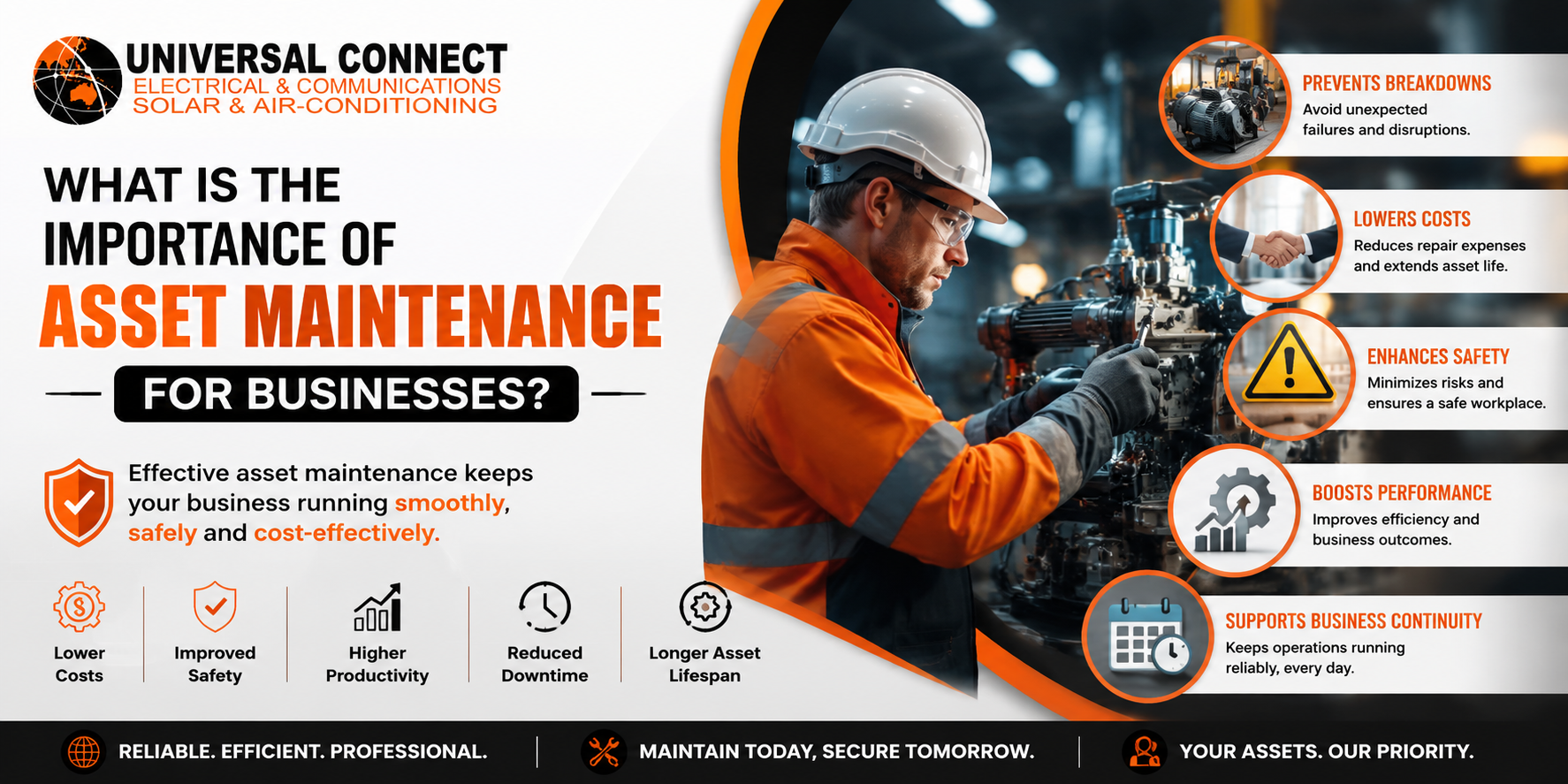
In today’s competitive and fast-moving world, businesses depend on physical assets to stay productive. They also want to offer high-quality services and reach long-term success. Think machines, cars, buildings, tech stuff, and production gear. These things are essential for smooth daily ops. But just having the assets isn’t all. Firms need to make sure they keep everything in tip-top shape, too. The importance of asset maintenance for businesses remains unquestionable.
Why does upkeep matter so much? Well, taking care of assets goes way beyond just fixing stuff that’s broken. When done right, maintenance lets businesses work better, cut costs, prolong asset life, and avoid risky mishaps. Around the globe, firms see proper asset management as a big part of making cash and staying sustainable. This blog dives into why businesses should care about maintaining their assets and how it can really be advantageous.
So, what exactly is asset maintenance? It’s the tasks teams do to keep equipment, machines, buildings, and other physical assets running great and safely. From checks and cleanings to fixing and replacing parts, there’s a lot that goes into it.
At the core, maintenance aims to keep everything working properly and prevent breakdowns that could mess up operations.
| Asset Type | Examples |
| Equipment | Manufacturing machinery, production tools |
| Vehicles | Delivery trucks, company cars, heavy equipment |
| Technology | Offices, warehouses, retail facilities |
| Buildings | Servers, computers, and networking systems |
| Utilities | HVAC systems, electrical systems, plumbing |
Asset maintenance matters a lot for businesses because it keeps operations running smoothly, cuts costs, ensures safety, and makes customers happier. If you skimp on upkeep, gear breaks down more easily, costs a fortune to fix, and holds up daily tasks. Companies that keep their stuff serviced typically see better trusty machines, higher output, and solid returns over time.
To stretch the lifespan of physical assets, many firms put maintenance plans in place. Equipment, cars, and buildings need regular TLC to avoid pricey replacements. Such upkeep is key to safeguarding those big investments and boosting how long the assets stay useful.
| Maintenance Activity | Impact on Asset Life |
| Routine Inspections | Identifies issues before major damage occurs |
| Lubrication | Reduces wear and friction |
| Cleaning | Prevents contamination and corrosion |
| Component Replacement | Prevents failures caused by worn parts |
| Calibration | Maintains proper equipment performance |
One of the biggest benefits of maintaining commercial assets in Australia is better cost control. Unpredictable breakdowns usually cost way more than planned upkeep. Emergency fixes can lead to extra service calls, production stops, time-and-a-half for workers, rush part orders, and lost sales. So, preventing these issues saves businesses a bundle.
| Maintenance Activity | Impact on Asset Life |
| Scheduled and predictable | Unplanned and disruptive |
| Lower repair costs | Higher repair expenses |
| Reduced downtime | Increased downtime |
| Better budgeting | Unexpected financial impacts |
| Improved asset life | Shortened asset life |
When you invest in preventive maintenance, it helps your business get better financial control and avoid sudden cost shocks.
Another main factor in the discussion of how important it is for businesses is the reduction of risk. Poorly maintained equipment poses various safety risks to employees, customers, and contractors.
Examples of these are as follows:
| Risk | How Maintenance Helps |
| Equipment Failure | Identifies defects before breakdowns occur |
| Workplace Accidents | Ensures machinery operates safely |
| Regulatory Violations | Supports compliance requirements |
| Service Interruptions | Reduces operational disruptions |
| Property Damage | Detects issues before major incidents develop |
Boosting how a company runs starts with keeping assets in tip-top shape. Efficient gear means staff get stuff done faster, clients are happier, and hitting targets is less stressful, so everyone wins.
| Benefit | Impact |
| Improved Reliability | Fewer interruptions to operations |
| Increased Efficiency | Better productivity and output |
| Consistent Quality | Reduced product defects and errors |
| Higher Availability | Assets remain operational longer |
| Better Customer Service | Fewer delays and disruptions |
Organizations that prioritize maintenance get a competitive advantage through superior operational performance.
Unexpected asset failures can grind operations to a halt. For instance, manufacturing equipment might break down, halting production. Servers going kaput can mess up business systems, while vehicle troubles could slow down deliveries. Building system snags might even drag down employee productivity.
Yet, preventive maintenance can keep things running smoothly by finding and fixing issues before they get out of hand. On the bright side, maintenance gives you less downtime for more stable ops, reliable gear for steady service, fewer crises, meaning better planning, and improved resource use, making everything run more smoothly. In sum, taking care of important assets keeps businesses ticking along nicely in tough situations.
Australian businesses deal with some unique issues like tough environmental conditions, strict regulations, and increasing running costs. Because of this, the pros of maintaining commercial assets can really make a difference. So, commercial asset maintenance benefits in Australia are widely talked about.
Keeping equipment in good shape helps companies follow safety rules, cut down on fix-up bills, and keep their stuff reliable. It makes operating smoother and also cuts back on wastage and resource use. Plus, it lets firms set stable, forecastable budgets for upkeep. Now, many Aussie businesses see maintenance as a smart investment instead of just a necessary expense.
Preventive maintenance is super valuable because it tackles potential issues before major breakdowns occur. It avoids the wait-and-fix approach by doing scheduled inspections and service instead. Inspecting equipment, changing oils and fluids, replacing filters, safety testing, updating software, and calibrating services are all examples.
| Benefit | Result |
| Early Problem Detection | Prevents costly failures |
| Reduced Downtime | Improves productivity |
| Longer Asset Life | Delays replacement needs |
| Better Safety | Lowers accident risks |
| Improved Efficiency | Improves equipment performance |
The preventive maintenance value is apparent when it is compared to the cost related to emergency repair or operational problems.
Asset maintenance helps the environment and boosts financials, too. Running gear efficiently cuts energy use, lowers emission output, generates less garbage, and needs fewer replacements, which is great for both the planet and profits.
Fixing leaks, doing timely repairs, and keeping assets running longer mean we save resources, cut waste, and dial down production needs. So we see reduced material disposal and lower manufacturing demand. This supports green aims and bank balances alike.
To maximize the importance of asset maintenance for businesses, organizations should set up a structured maintenance program. Major components include tracking all assets, planning regular inspections, measuring efficiency, promoting correct usage through training, and recording upkeep activities.
Having a proactive plan is crucial because it helps companies maintain steady operations and lasting benefits. First off, keeping an inventory lets you know what assets you have. Scheduling regular checkups and service stops problems before they get too big. Performance monitoring shows how well your gear runs. Training staff on how to use equipment properly cuts down on mistakes and damage. Lastly, documentation keeps a record of everything, making future upkeep easier.
Maintaining assets isn’t just about fixing things when they break. It is a smart investment that boosts productivity and cuts costs. In a competitive market, the businesses that look after their assets are the ones likely to thrive in the long run. So by viewing maintenance as key to success, companies safeguard their investments and ensure smooth operations. Universal Connect can help you with its services related to asset management and maintenance, keeping your worries out.
It helps improve reliability, reduce costs, enhance safety, and extend asset lifespan.
Preventive maintenance involves scheduled servicing and inspections designed to prevent equipment failures.
Regular servicing reduces wear and identifies problems before significant damage occurs.
Maintenance helps identify hazards and prevent equipment-related accidents or failures.
Machinery, vehicles, buildings, technology systems, and critical infrastructure should all be maintained regularly.